

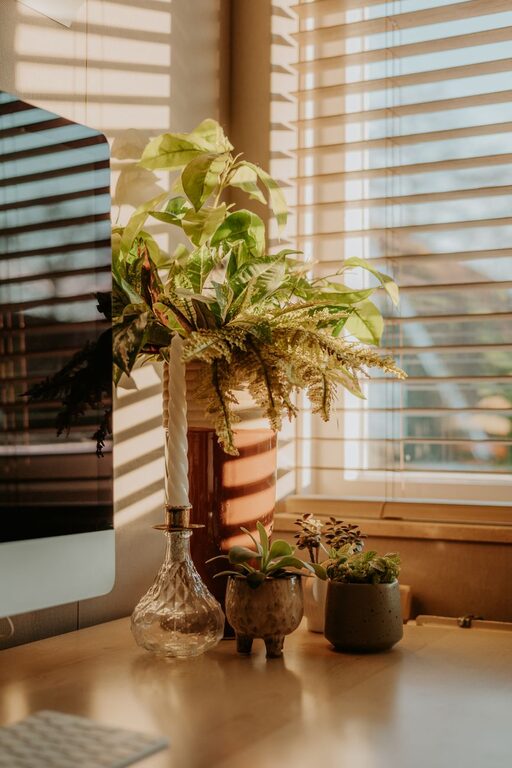
Creating a cozy and inviting home office is key to enjoying your work-from-home routine and staying motivated throughout the day. A well-designed workspace can help reduce stress, increase focus, and make it easier to separate work life from personal time. Whether you have a dedicated room or a small corner, this guide will provide useful tips to make your home office both comfortable and functional.
Choose the Right Location
Finding the perfect spot for your home office is the first step. Consider these factors:
– Natural Light: Select a space near a window to benefit from daylight, which improves mood and reduces eye strain.
– Quiet Environment: Pick an area away from heavy household traffic or noisy appliances.
– Space Needs: Ensure there is enough room for your desk, chair, and any equipment or storage you require.
If space is limited, get creative with corners, under the stairs, or even a converted closet.
Invest in a Comfortable Chair and Desk
Ergonomics matter when spending long hours working. Here’s what to look for:
– Supportive Chair: Choose a chair with adjustable height, lumbar support, and comfortable padding to protect your back.
– Functional Desk: Your desk should have enough surface area for your computer, keyboard, and notebooks, plus room to stretch your arms.
– Adjustability: If possible, consider a desk that allows you to alternate between sitting and standing.
Comfort reduces fatigue and helps maintain good posture.
Personalize with Warm and Inviting Decor
Adding personal touches makes your workspace feel like your own. Ideas include:
– Soft Textiles: Use a cozy throw blanket or cushion on your chair to add color and softness.
– Plants: Incorporate greenery to enhance air quality and create a relaxed atmosphere.
– Warm Lighting: Avoid harsh overhead lights in favor of desk lamps or string lights that produce a warm glow.
– Artwork and Photos: Display pictures or art that inspire you and make the space welcoming.
Keep decor minimal enough to avoid clutter but personalized enough to feel inviting.
Organize and Declutter Regularly
An organized space promotes productivity and reduces stress. Try these methods:
– Storage Solutions: Use shelves, drawers, or baskets to keep supplies tidy.
– Cable Management: Use clips or sleeves to keep cords neat and out of sight.
– Daily Clean-Up: Spend a few minutes at the end of each day clearing your desk and organizing papers.
– Digitize When Possible: Reduce paper clutter by scanning documents and using cloud storage.
A clutter-free office helps you focus and feel more in control.
Incorporate Functional Accessories
Adding the right accessories can improve your workflow and comfort:
– Desk Organizer: Keep pens, sticky notes, and other essentials within reach.
– Whiteboard or Corkboard: Use these for reminders, to-do lists, or brainstorming ideas.
– Noise-Canceling Headphones: Helpful if your workspace isn’t completely quiet.
– Water Bottle or Coffee Mug: Staying hydrated and comfortable is important.
Choose tools that support your unique work style.
Pay Attention to Color and Texture
Colors and textures influence mood and creativity. Consider:
– Calming Colors: Soft blues, greens, and neutrals create a peaceful environment.
– Accent Colors: Use a pop of color to energize and inspire without overwhelming.
– Mixed Textures: Combining smooth, rough, and soft surfaces adds interest and warmth.
Choose colors that make you feel relaxed and motivated.
Maintain Good Air Quality and Temperature
A comfortable environment includes fresh air and the right temperature:
– Ventilation: Open windows when possible or use an air purifier to keep the air fresh.
– Temperature Control: Use fans or heaters as needed to maintain a comfortable temperature.
– Humidity: A small humidifier can help if the air is too dry, especially in winter.
Physical comfort affects concentration and overall wellbeing.
Create Boundaries Between Work and Home
Design your office space in a way that helps you mentally switch on and off from work:
– Separate Zone: If possible, keep your office separate from living or relaxation areas.
– Defined Workspace: Use rugs or furniture placement to delineate the workspace.
– “Start” and “End” Rituals: Arranging your space at the beginning and end of the day can signal work time.
Clear boundaries support work-life balance.
—
By paying attention to these tips, you can transform your home office into a cozy and inviting place that supports your productivity and well-being. Remember, the best workspace is one that reflects your needs and feels comfortable to you. Happy decorating!