

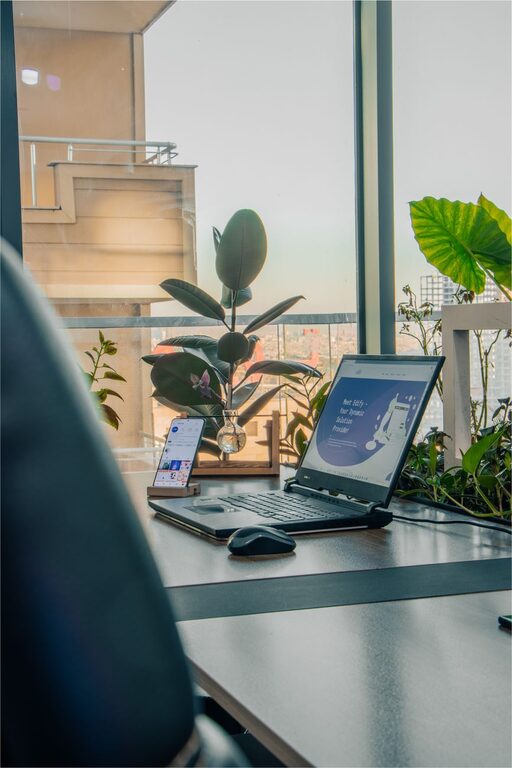
Creating a productive home office space is essential for anyone working remotely or managing tasks from home. A well-organized and comfortable workspace can improve focus, reduce distractions, and increase overall efficiency. Whether you have a dedicated room or a small corner, these tips will help you design an effective home office tailored to your needs.
Choose the Right Location
Find a Quiet Spot
Select a location in your home that is quiet and minimizes interruptions. Areas away from the main living spaces, such as a spare room or a secluded corner, work best. If possible, avoid spots near loud appliances or heavy foot traffic.
Consider Natural Light
Natural light boosts mood and energy levels. Position your desk near a window to benefit from daylight but avoid glare on your computer screen. Use blinds or curtains to control the amount of light if needed.
Invest in Comfortable Furniture
Ergonomic Chair
An ergonomic chair supports your back and reduces strain during long working hours. Look for adjustable features like height, lumbar support, and armrests to customize comfort.
Functional Desk
Choose a desk that fits your equipment and leaves enough space for writing or organizing documents. Standing desks or adjustable height desks can offer variety and help reduce sedentary time.
Organize Your Workspace
Declutter Regularly
Keep your desk and office space tidy by removing unnecessary items. A clean workspace helps minimize distractions and promotes clear thinking.
Smart Storage Solutions
Use shelves, drawers, and organizers to store office supplies and paperwork neatly. Labeling containers and files can make it easier to find things quickly.
Optimize Technology Setup
Reliable Internet Connection
Ensure your internet connection is fast and stable to avoid disruptions during video calls or file uploads.
Essential Equipment
Equip your home office with necessary tools such as a good-quality computer, monitor, keyboard, mouse, and headphones. Consider using a second monitor if your work involves multitasking.
Cable Management
Use cable ties or clips to keep cords organized and out of sight, reducing clutter and potential hazards.
Personalize Your Space
Add Plants
Indoor plants improve air quality and add a touch of nature, which can boost your mood and creativity.
Motivational Elements
Include artwork, inspirational quotes, or personal items that motivate you but avoid overcrowding your desk.
Maintain Good Lighting
Use Multiple Light Sources
Besides natural light, use a combination of overhead lighting and task lamps to create a well-lit environment. Adjustable desk lamps allow you to focus light where needed.
Avoid Screen Glare
Position lighting to prevent reflections on your screen, which can cause eye strain.
Establish a Routine and Boundaries
Set Work Hours
Define your working hours and stick to them to maintain work-life balance. This also helps others at home know when you are busy.
Minimize Distractions
Turn off non-essential notifications and create a “do not disturb” signal for family members or roommates.
Incorporate Movement Breaks
Sitting for long periods can affect your health. Schedule short breaks to stretch, walk, or do simple exercises to stay active and refreshed.
Add Sound Management
Control Noise Levels
Use noise-canceling headphones or white noise machines if you can’t control external noise effectively.
Calming Background Music
If helpful, play low-volume instrumental music to improve concentration.
Final Thoughts
Creating a productive home office space involves thoughtful planning and adjustments to suit your work style. By choosing the right location, investing in ergonomic furniture, organizing efficiently, and personalizing your space, you can enhance your productivity and enjoy working from home. Remember, small changes can make a big difference to your daily workflow and comfort.